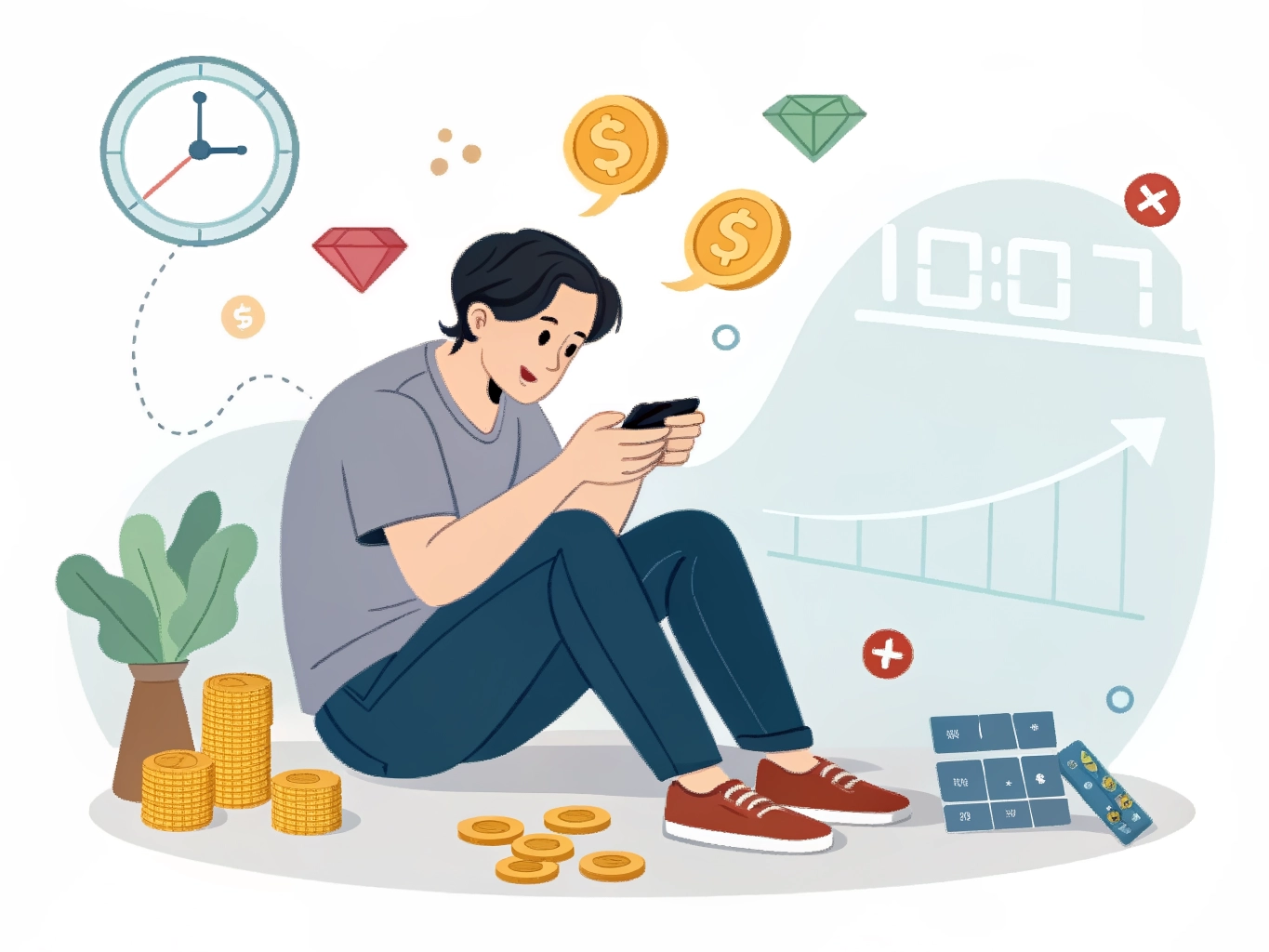
Free mobile games are easy to start and surprisingly easy to overspend on. A small starter pack looks harmless. A limited costume appears for one day. A character banner promises better progress. Before a beginner understands the game, the shop may already be making decisions feel urgent. Enjoying mobile games without spending too much is not about refusing every purchase. It is about knowing when money improves enjoyment and when it only reduces impatience.
The first rule is simple: do not spend during the first session. Early excitement is not the same as long-term interest. A game may feel amazing in the tutorial because rewards arrive quickly and every button unlocks something new. Wait until the normal pace appears. If you still enjoy the game after the first few days, you can judge purchases more clearly.
Learn the currencies before buying
Most mobile games use several currencies on purpose. Coins may be common, gems may be premium, tickets may unlock characters, and energy may limit playtime. Beginners should identify which currencies are easy to earn and which are slow. If a shop offer contains items you cannot value yet, skip it. You cannot know whether a bundle is good if you do not know what the items actually do.
A useful question is: does this purchase give me something I will enjoy, or does it only remove waiting? Removing waiting can be worth it for some players, but it can also turn into a habit. Story passes, cosmetic outfits, or ad-removal options may feel better than random chance pulls because you know what you are getting. Random rewards can be exciting, but they are also where spending gets blurry.
Set a personal rule before opening the shop
Budget rules work best when they are decided outside the moment of temptation. You might decide not to spend at all, to spend only on games you keep for a month, or to use a small monthly entertainment limit. The amount matters less than the boundary. Without a boundary, every limited offer becomes a separate argument with yourself.
Do not let beginner discounts rush you. Many games offer cheap first purchases to make spending feel normal. Some are good value, but the real question is whether you want a paying relationship with this game. If you are unsure, wait. A game that is enjoyable only after buying a starter pack may not be the best fit for a casual player.
- Turn off one-tap purchasing or add password confirmation.
- Avoid buying random pulls when you are tired or frustrated.
- Read what an item does before buying a bundle.
- Prefer clear purchases over chance-based rewards if you decide to spend.
There is also a social side to spending. Rankings, guilds, and online comments can make upgrades feel necessary. Beginners should be careful with comparison. A player who spends heavily is not playing the same version of the game as someone who plays casually. Your goal may be to enjoy the story, decorate a room, solve puzzles, or relax after work. Those goals do not require keeping pace with the top players.
If you do spend, check afterward whether the purchase actually improved the game. Did you enjoy new content, feel more comfortable, or support a game you genuinely like? Or did the satisfaction disappear after a few minutes? That reflection helps you make better choices next time.
Mobile games can be fun without becoming expensive. The key is to separate enjoyment from urgency. Spend slowly, understand the system first, and keep your own budget stronger than the game’s timer. A good game should still feel welcoming when you are playing for free.
One small habit can make the whole process easier: after each session, take ten seconds to notice what felt good and what felt annoying. Maybe the levels were too long, maybe the story pulled you in, or maybe the notifications were more stressful than helpful. That tiny note gives you a clearer sense of your taste than any chart or rating score. Over time, you learn which games deserve a place on your phone and which ones only looked appealing for a few minutes. For a beginner, that awareness is more useful than chasing every new recommendation.
For players who enjoy narrative games, spending can be especially emotional because favorite characters and outfits feel personal. That is exactly why waiting helps. Let attachment become stable before paying for it. If a character still matters to you after several sessions, a purchase may feel more satisfying. If the feeling fades after one dramatic scene, you saved money for something better.
For players who enjoy narrative games, spending can be especially emotional because favorite characters and outfits feel personal. That is exactly why waiting helps. Let attachment become stable before paying for it. If a character still matters to you after several sessions, a purchase may feel more satisfying. If the feeling fades after one dramatic scene, you saved money for something better.