Starting a mobile game is easy. Staying with one long enough to know whether you like it is harder. New players often download a game, play through the tutorial, collect a pile of beginner rewards, and then drift away because the next step is unclear. The problem is not always the game. Sometimes the first few sessions are too scattered.
If you want to give a new game a fair chance, treat the first three sessions as a small trial. You are not committing forever. You are simply learning whether the game deserves a place in your routine.
Session one: learn the loop
During the first session, ignore perfection. Your only job is to understand the main loop. What action do you repeat? What reward comes from it? What does that reward help you do next? In a story game, the loop may be reading scenes, making choices, and unlocking chapters. In a puzzle game, it may be clearing levels and earning boosters. In a role-playing game, it may be battles, upgrades, and new missions.
Do not spend premium currency unless required. Do not worry about building the perfect team. Do not open every event. The first session is about orientation. If you can explain the basic loop in one sentence afterward, you did well.
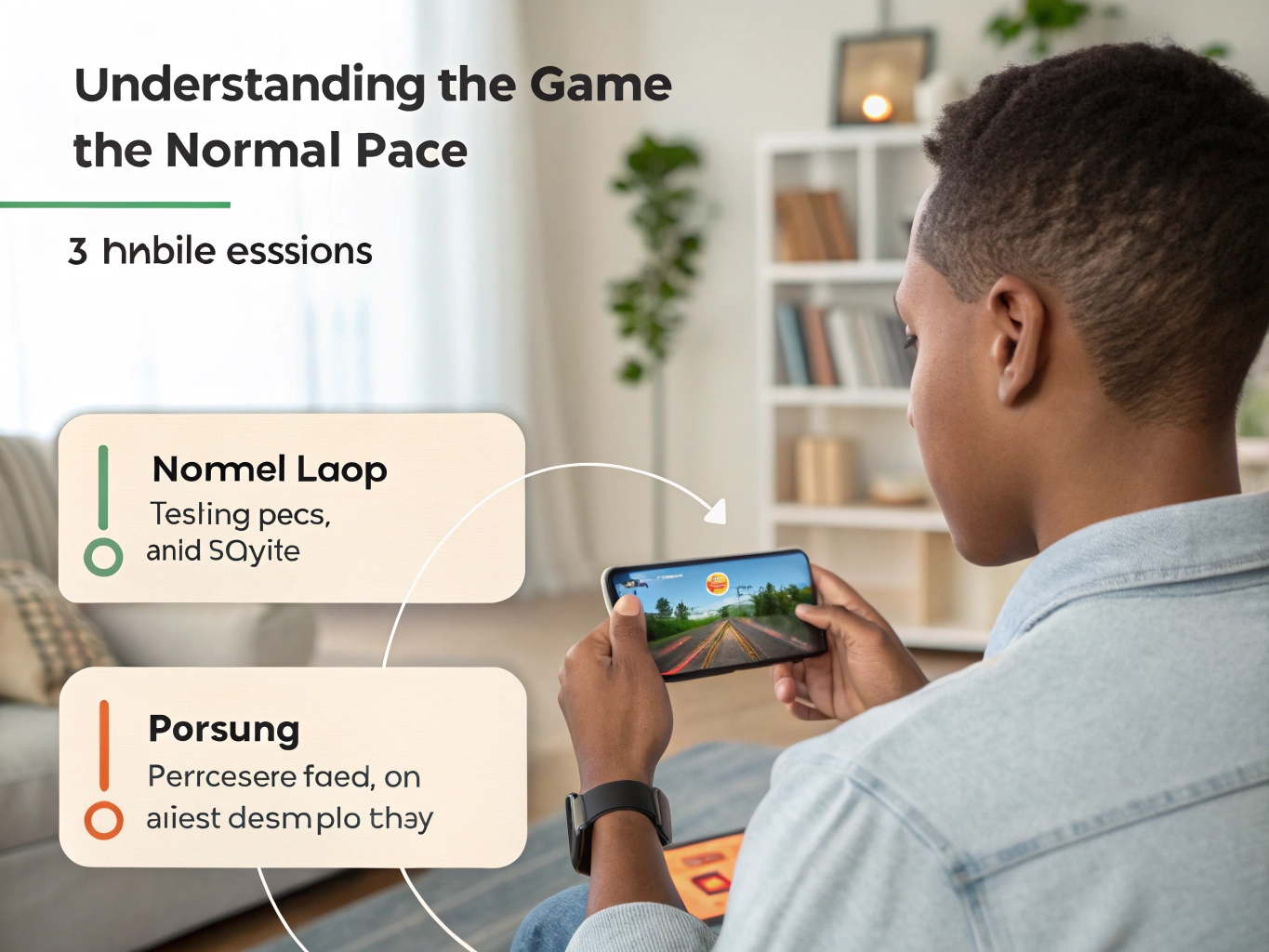
Session two: test the normal pace
The second session matters because the opening generosity may begin to slow. This is when you see whether the game remains enjoyable after the tutorial. Are levels still clear? Is progress still understandable? Are you curious about the next story moment? Or does the game suddenly feel like a shop wrapped around a loading screen?
Use this session to check settings, notifications, and comfort. A game that is too loud, too bright, or too cluttered may feel better after small adjustments. Beginners sometimes abandon games that only needed a cleaner setup.
Session three is for deciding what kind of player you want to be. Casual, story-focused, completionist, social, competitive, or occasional. You do not need to play the way the game’s most active users play. If you enjoy only the story, focus on story. If you like daily puzzles but not events, skip events. Sticking with a game becomes easier when you choose your lane.
- Give the game three short sessions before judging it completely.
- Learn the main loop before spending or joining social features.
- Adjust settings early so the game feels comfortable.
- Decide which parts of the game you actually want to play.
A common reason beginners quit is that they try to do everything the game offers. That creates fatigue before attachment. It is better to enjoy one part deeply than to sample six systems with mild confusion. If the game has good design, your interest may expand naturally later.
Another reason players quit is forgetting the story or goal between sessions. If you are playing a character or narrative game, stop at a natural pause and return within a day or two. Leaving in the middle of a confusing menu makes it harder to come back. Leaving after a chapter or completed stage gives your next session a clean starting point.
After three sessions, ask one honest question: do I want to open this again without being reminded? If yes, keep it and build a small routine. If no, uninstall without guilt. Sticking with games should come from curiosity and comfort, not from the feeling that you already invested time.
The best mobile games become familiar without becoming demanding. They give you a reason to return, but they do not make you feel trapped. A three-session trial helps beginners find that balance.
One small habit can make the whole process easier: after each session, take ten seconds to notice what felt good and what felt annoying. Maybe the levels were too long, maybe the story pulled you in, or maybe the notifications were more stressful than helpful. That tiny note gives you a clearer sense of your taste than any chart or rating score. Over time, you learn which games deserve a place on your phone and which ones only looked appealing for a few minutes. For a beginner, that awareness is more useful than chasing every new recommendation.
Sticking with a game is easier when the next session has a clear invitation. Before closing the app, notice where you will continue: the next chapter, the next puzzle, one upgrade, or one event scene. This tiny mental bookmark reduces the blank feeling that makes players abandon games after the tutorial. You know exactly where to begin again.
Sticking with a game is easier when the next session has a clear invitation. Before closing the app, notice where you will continue: the next chapter, the next puzzle, one upgrade, or one event scene. This tiny mental bookmark reduces the blank feeling that makes players abandon games after the tutorial. You know exactly where to begin again.
Sticking with a game is easier when the next session has a clear invitation. Before closing the app, notice where you will continue: the next chapter, the next puzzle, one upgrade, or one event scene. This tiny mental bookmark reduces the blank feeling that makes players abandon games after the tutorial. You know exactly where to begin again.