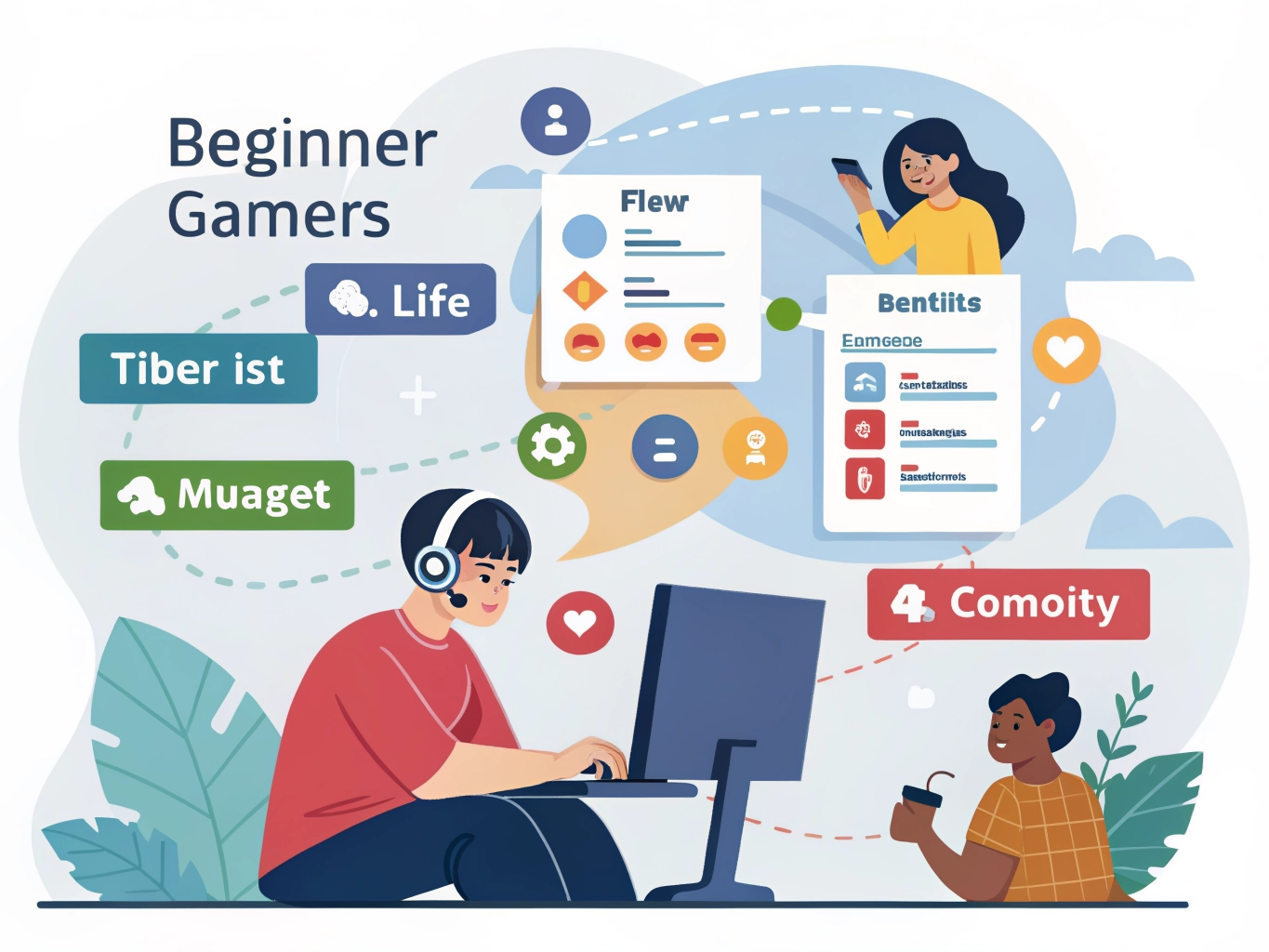
Game communities can be helpful, funny, intense, confusing, and overwhelming—sometimes in the same thread. Beginners may search for one simple answer and find tier lists, arguments, abbreviations, spoilers, event complaints, and advice written for players who already know everything. Community knowledge is valuable, but it needs a filter.
You do not have to join every conversation to enjoy a mobile game. Use the community as a tool, not as a second game.
Start with beginner resources
Look for guides labeled beginner, new player, early game, or casual. Avoid advanced optimization guides until you understand the basics. A perfect late-game strategy may be useless or even harmful during your first week. Beginner resources should explain terms, show priorities, and help you avoid obvious mistakes without demanding perfection.
If a guide uses too many abbreviations, pause and find a simpler one. Communities often shorten character names, currencies, modes, and events. That is normal, but beginners should not feel forced to decode everything at once. A clear guide is better than a famous guide you cannot understand.
Be careful with tier lists
Tier lists rank characters, items, or strategies. They can be useful, but they can also distort the way beginners play. A character ranked lower may still be perfectly fine for story progress. A top-ranked unit may require resources you do not have or a play style you dislike. Treat tier lists as information, not law.
In character-driven games, emotional preference matters too. If you love a character, using them may make the game more enjoyable even if they are not considered the strongest. For casual players, enjoyment can be more important than efficiency.
Spoilers are another issue. Story games and communities do not always mix cleanly. Before reading comments, check whether the discussion includes late chapters, routes, endings, or character reveals. If story is your main reason for playing, protecting surprise may matter more than learning the fastest path.
- Search for beginner guides before advanced rankings.
- Use tier lists as suggestions, not commands.
- Avoid story discussions if you care about spoilers.
- Ask specific questions instead of asking what should I do with my whole account.
- Leave communities that make the game feel worse.
When asking for help, include context. Say how long you have played, what mode you are stuck on, which characters or resources you have, and whether you play casually. Specific questions get better answers. They also reduce the chance that someone gives advice meant for a completely different kind of player.
It is okay to ignore drama. Every active game community has complaints about updates, balance, rewards, or developers. Some criticism is useful, but too much negativity can change how you feel before you form your own opinion. Beginners deserve time to experience the game directly.
A healthy relationship with community keeps the game clearer, not heavier. Use it to solve confusion, learn terms, and find friendly recommendations. Step back when it creates pressure, comparison, or spoilers. You are allowed to enjoy a game quietly, even if the community is loud.
One small habit can make the whole process easier: after each session, take ten seconds to notice what felt good and what felt annoying. Maybe the levels were too long, maybe the story pulled you in, or maybe the notifications were more stressful than helpful. That tiny note gives you a clearer sense of your taste than any chart or rating score. Over time, you learn which games deserve a place on your phone and which ones only looked appealing for a few minutes. For a beginner, that awareness is more useful than chasing every new recommendation.
Community advice is most helpful after you have your own first impression. Play enough to know what you enjoy, then ask questions. If you read too much before playing, other people’s priorities may replace your own. A beginner should use guides to clarify experience, not to decide every feeling in advance.
Community advice is most helpful after you have your own first impression. Play enough to know what you enjoy, then ask questions. If you read too much before playing, other people’s priorities may replace your own. A beginner should use guides to clarify experience, not to decide every feeling in advance.
Community advice is most helpful after you have your own first impression. Play enough to know what you enjoy, then ask questions. If you read too much before playing, other people’s priorities may replace your own. A beginner should use guides to clarify experience, not to decide every feeling in advance.
Community advice is most helpful after you have your own first impression. Play enough to know what you enjoy, then ask questions. If you read too much before playing, other people’s priorities may replace your own. A beginner should use guides to clarify experience, not to decide every feeling in advance.
Community advice is most helpful after you have your own first impression. Play enough to know what you enjoy, then ask questions. If you read too much before playing, other people’s priorities may replace your own. A beginner should use guides to clarify experience, not to decide every feeling in advance.