A phone game can be a pleasant part of the day, but only if it fits into life instead of pushing against it. The smartest habits are usually simple, quiet, and personal.
This is why how to protect your attention from too many rewards matters for casual players. It sounds like a small habit, but it can decide whether a game stays fun or turns into background pressure.
Why this matters
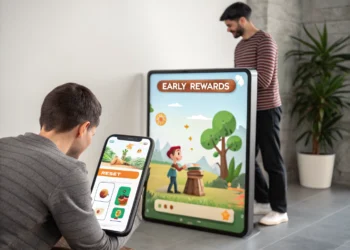
Rewards can become a game inside the game. You tap through boxes, wheels, calendars, inboxes, and ads, collecting items without using them. The motion feels productive, but it may not be fun.
This is especially important for readers who also enjoy story apps. If you like character arcs and steady pacing, you may enjoy games that give you clear emotional progress more than games that flood the screen with competitive tasks. The best habit is not the one that earns the most resources. It is the one that makes you want to return for the right reason.
Set a simple rule
Smart play means asking which rewards support the part of the game you enjoy.
The useful question is not whether the game is good in general. It is whether the game is good for the kind of session you are actually having. A beautiful story game can be wrong for a three-minute break. A simple puzzle can be perfect on a tired evening. Context matters.
Make the game fit the day
Try looking at the next session as an experiment rather than a commitment. Change one behavior and see what happens. Maybe you ignore the event tab. Maybe you stop after one chapter. Maybe you play with the sound lower, or you decide not to check the shop until the weekend.
- Set a spending or time limit before emotion gets involved.
- Pause when frustration becomes the main feeling.
- Choose games that explain themselves clearly.
- Let progress be slow when life is busy.
Try changing only one thing at a time. Turn off one notification, skip one optional reward, or set one goal before opening the app. A small adjustment is easier to keep than a full set of rules, and it gives you a clearer sense of what actually improves the experience.
Signs you should pause
Another trap is mistaking progress for enjoyment. It is possible to earn rewards, upgrade characters, and clear tasks while feeling bored the whole time. Progress should support the fun part of the game, not cover up the fact that the fun part has disappeared.
This is where GameStory Guide keeps its advice practical. For a Joyread-style audience, a good mobile game often works best when it feels like a companion to reading, not a replacement for everything else. The game should have enough story, character, rhythm, or puzzle satisfaction to invite attention without taking over the evening.
A calmer way to play
A real guide for casual players should leave room for taste. Some people love events, some love slow progress, and some only want a short story chapter before bed. Playing smarter means noticing which kind of player you are this week, not forcing yourself into someone else’s version of progress.
Playing smarter is not about becoming strict with yourself. It is about making sure the game still feels like something you chose. When a mobile game supports your mood, respects your time, and gives you a clean place to stop, it becomes easier to enjoy for months instead of burning out in a week.
If you are not sure whether the habit is working, give it three sessions. On the first session, play normally and notice where the pressure appears. On the second, remove one source of pressure. On the third, decide whether the game feels easier to enter and easier to leave. That small test tells you more than a store rating or a loud trailer.
The goal is not to turn gaming into another productivity system. The goal is to make the leisure feel clean again. A smart habit should leave space for novels, messages, sleep, work, and ordinary quiet. When a game fits that space, it becomes the kind of app people recommend honestly because it belongs in a real day.
For players who enjoy story apps, this approach can make mobile gaming feel closer to reading a good series. You return because the pace suits you, the world feels familiar, and the next step is clear. You do not need to chase every reward to stay connected. You only need enough continuity to remember why you cared in the first place.
The phone will always make another tap easy. Playing smarter is partly about making some taps unnecessary. Skip the reward you do not need. Leave the menu you opened by habit. Close the app after the satisfying part instead of waiting until irritation decides for you. Small endings are one of the most underrated skills in casual gaming.