A beginner-friendly mobile game is not just an easy game. Some easy games are full of confusing menus, aggressive pop-ups, and rewards that make no sense. Some deeper games are surprisingly welcoming because they explain themselves well. The real question is whether the game helps you understand what to do next without making you feel stupid for asking.
When you are choosing a new game, the app store rating only tells part of the story. A game can be loved by long-time players and still be rough for newcomers. A beginner should look for signs of clarity: readable screens, patient tutorials, fair pacing, and early goals that feel achievable.
Clear first steps
The first ten minutes matter. A good beginner-friendly game shows one idea at a time. It does not unlock every menu at once or throw ten reward systems onto the screen. You should understand the basic action quickly: match pieces, choose dialogue, build a room, solve a puzzle, guide a character, or complete a short stage. If the opening is already crowded, the rest of the game may become harder to enjoy.
Clarity also means the game explains why an action matters. Upgrading a character is easier to understand when you can see the next stage become possible. Choosing a story option is more engaging when the game shows that choices affect tone, relationships, or future scenes. Beginners need feedback, not just instructions.
Forgiving early mistakes
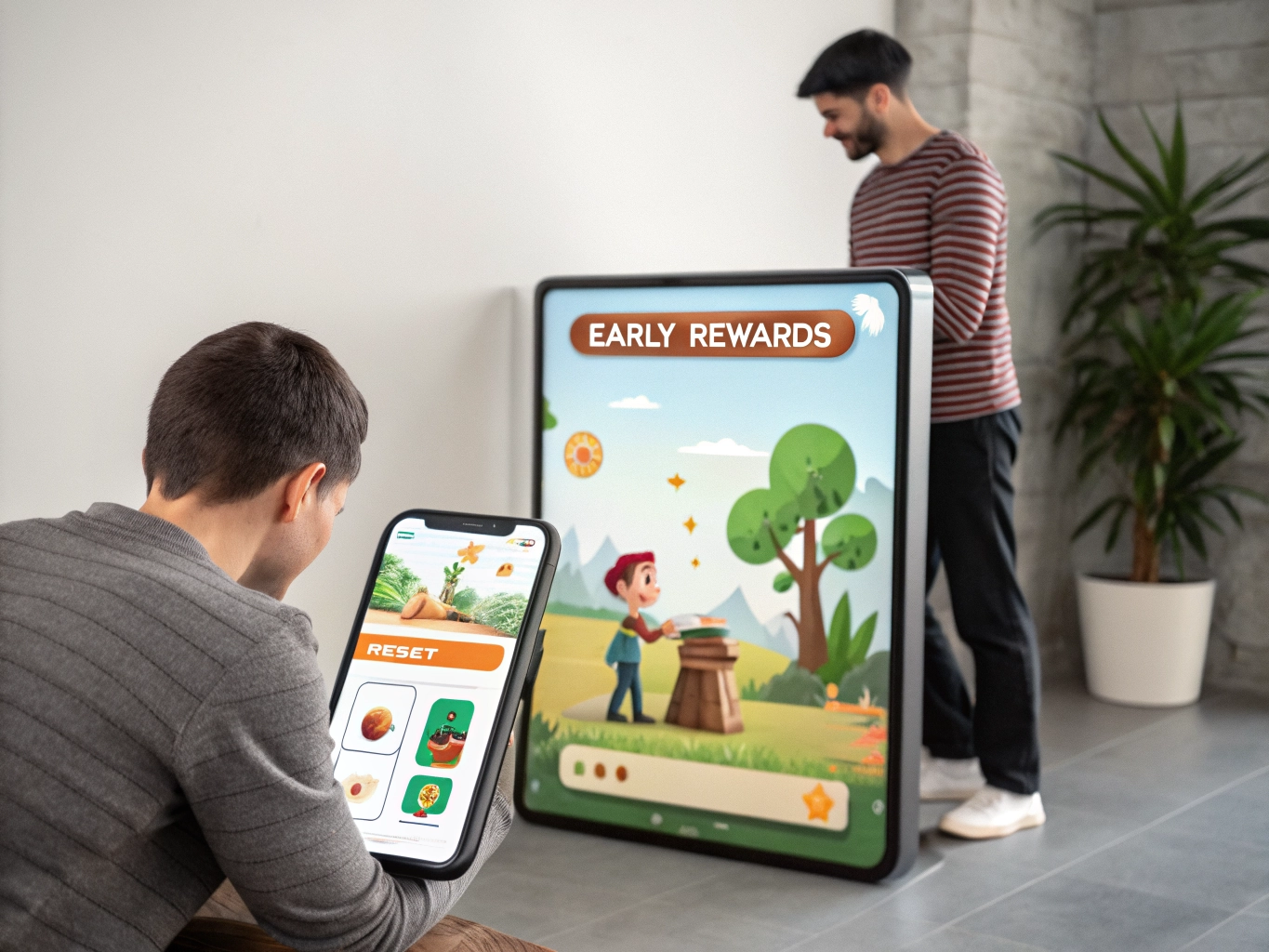
A welcoming game does not punish early experimentation too harshly. New players will upgrade the wrong item, choose a route they later regret, or spend common currency inefficiently. That should not ruin the account. Look for games that offer reset options, clear warnings before spending premium currency, or enough early resources to recover. If every decision feels permanent from the first day, beginners may become anxious instead of curious.
This matters in story and character games too. A good route system should let players understand choices without needing a spreadsheet. If the game expects perfect decisions, it may be better suited to experienced fans than casual newcomers.
Another sign is how the game handles ads and purchases. Ads are normal in many free games, and purchases can be optional. The problem comes when every screen pushes a timer, bundle, or limited deal before you even know whether you like the game. Beginner-friendly monetization gives players room to learn first.
- The tutorial explains one feature at a time.
- The home screen is readable and not overloaded with icons.
- Early rewards are useful but not confusing.
- Mistakes can be corrected without starting over.
- The game is enjoyable even before spending money.
For Joyread-style players who enjoy story and character moments, beginner-friendly design often means emotional clarity as much as mechanical clarity. You should know who the main character is, what choice you are making, and why the next scene matters. A beautiful game can still lose players if the emotional hook is buried under menus.
Try judging a new game after the first proper session, not after the first loading screen. Did you understand the main goal? Did you want to see what came next? Did anything make you feel pressured too early? A beginner-friendly game leaves you with curiosity, not confusion. That is the sign worth trusting.
The best mobile games for beginners do not demand instant mastery. They invite you in, give you a clear first step, and let your interest grow at a human pace. That kind of design is easy to recognize once you know what to look for.
One small habit can make the whole process easier: after each session, take ten seconds to notice what felt good and what felt annoying. Maybe the levels were too long, maybe the story pulled you in, or maybe the notifications were more stressful than helpful. That tiny note gives you a clearer sense of your taste than any chart or rating score. Over time, you learn which games deserve a place on your phone and which ones only looked appealing for a few minutes. For a beginner, that awareness is more useful than chasing every new recommendation.
The best beginner-friendly games also make returning easy. If you skip a day, the game should not feel impossible to re-enter. Good design reminds you of your next goal, offers clear mission markers, and does not bury important progress behind temporary pop-ups. New players need continuity. A game that welcomes you back calmly is often more valuable than one that only rewards constant attention.
The best beginner-friendly games also make returning easy. If you skip a day, the game should not feel impossible to re-enter. Good design reminds you of your next goal, offers clear mission markers, and does not bury important progress behind temporary pop-ups. New players need continuity. A game that welcomes you back calmly is often more valuable than one that only rewards constant attention.
The best beginner-friendly games also make returning easy. If you skip a day, the game should not feel impossible to re-enter. Good design reminds you of your next goal, offers clear mission markers, and does not bury important progress behind temporary pop-ups. New players need continuity. A game that welcomes you back calmly is often more valuable than one that only rewards constant attention.