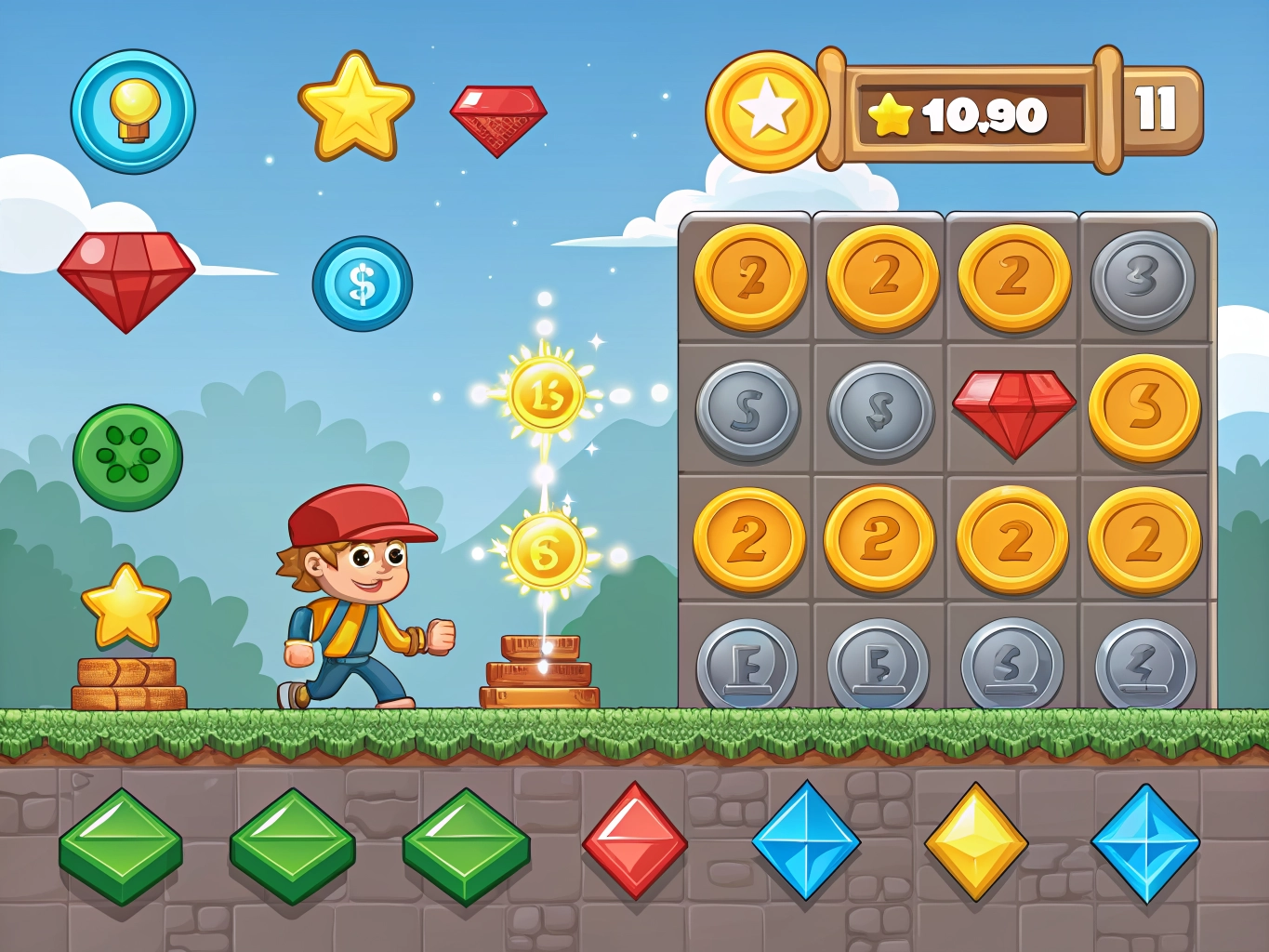
Coins, gems, diamonds, tickets, stamina, keys, shards, dust, points, tokens: mobile games can make a beginner feel like they accidentally opened a tiny bank. The names change from game to game, but the logic is usually similar. Once you understand the main types of currency, the screen becomes much less intimidating.
You do not need to memorize everything on day one. You only need to know which currencies are common, which are limited, and which are connected to real money.
Common currency is for normal progress
Most games have a basic currency used for everyday upgrades. It might be called coins, gold, cash, or something themed. You earn it often and spend it often. Beginners can usually use this currency without too much fear, although it is still smart to avoid wasting huge amounts on items you do not understand. If a currency drops from regular stages and daily tasks, it is probably meant to move through your account constantly.
Premium currency is different. Gems, diamonds, crystals, or paid coins usually buy special pulls, energy refills, costumes, or premium shop items. Even when a game gives some premium currency for free, it is usually slower to earn. Treat it like a limited resource until you understand your priorities.
Energy controls how long you play
Many mobile games use stamina, hearts, energy, or tickets to limit stages. Beginners sometimes spend premium currency to refill energy immediately, then regret it later. Before refilling, ask whether you are paying because you are having fun or because the game made waiting feel uncomfortable. If you are enjoying a weekend session, a refill may be fine. If you are simply trying to clear a red dot, save your currency.
Character games often include shards or fragments. These are pieces used to unlock or upgrade specific characters. They can be valuable but confusing. Do not trade rare fragments casually until you know which characters you actually use. In story-focused games, the strongest character is not always the one you care about most, so understand whether upgrades affect gameplay, story routes, or cosmetics.
Event tokens are temporary. They usually belong to a limited shop or seasonal activity. Spend them before the event ends if the game does not convert them automatically. Prioritize items that help your current stage of play instead of rare materials you cannot use for weeks.
- Spend common currency to keep normal progress moving.
- Save premium currency until you know what you value.
- Use energy naturally before buying refills.
- Check event token deadlines before forgetting them.
- Do not exchange rare materials unless you understand the result.
The shop can make currencies look more complicated than they are. Bundles combine several items so beginners cannot easily judge value. If you do not know what half the items do, skip the bundle. Good value is only good when the items are useful to you.
A simple way to learn is to watch what blocks progress. If you cannot start a stage, energy matters. If your character is too weak, upgrade materials matter. If a story chapter is locked, keys or tickets matter. The currency connected to your current block deserves attention. Everything else can wait.
For casual players, understanding currencies is less about optimization and more about confidence. You want to know enough to avoid panic spending and enough to enjoy rewards when they arrive. Once you can separate common, premium, energy, character, and event currencies, most games become easier to read.
Do not let a crowded wallet screen make the game feel more serious than it is. Currencies are tools. Use the simple ones, save the rare ones, and learn the rest through play. That is enough for a beginner.
One small habit can make the whole process easier: after each session, take ten seconds to notice what felt good and what felt annoying. Maybe the levels were too long, maybe the story pulled you in, or maybe the notifications were more stressful than helpful. That tiny note gives you a clearer sense of your taste than any chart or rating score. Over time, you learn which games deserve a place on your phone and which ones only looked appealing for a few minutes. For a beginner, that awareness is more useful than chasing every new recommendation.
A good currency habit is to ask what problem you are solving before spending. Are you buying energy to keep enjoying a session, or because waiting feels annoying? Are you using gems for a character you care about, or because a timer is flashing? Spending makes more sense when it answers a real need instead of a moment of pressure.
A good currency habit is to ask what problem you are solving before spending. Are you buying energy to keep enjoying a session, or because waiting feels annoying? Are you using gems for a character you care about, or because a timer is flashing? Spending makes more sense when it answers a real need instead of a moment of pressure.