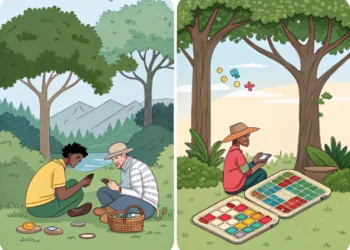
Collecting is one of the oldest pleasures in games. Cards, outfits, pets, recipes, rooms, characters, stickers, artifacts, plants, badges, fish, furniture — the object changes, but the feeling is familiar. You find something, add it to a set, and feel a small pull to complete the picture. On mobile, collecting works especially well because short sessions can still produce visible progress.
For casual players, collection games can be satisfying when they stay generous and organized. They become frustrating when the collection is mostly a trap: too many rare items, too many limited events, and too much pressure to spend. The difference is worth understanding before you commit.
What kind of collection do you enjoy?
Some players like visual collections. They want to see a gallery fill with cute pets, beautiful cards, or decorated rooms. Others like functional collections, where each item changes gameplay. Some enjoy story collections, such as character memories, letters, or lore pieces. A few simply enjoy the checklist feeling.
Knowing your preference helps you avoid the wrong game. If you care about visuals, a game with ugly item art will not satisfy you even if the mechanics are fair. If you care about gameplay, a purely cosmetic collection may feel shallow. If you care about story, random item drops may not be enough.
Good collection games feel organized
A collection should be easy to understand. You should know what you have, what you are missing, and how items are usually earned. Mystery can be fun, but confusion is not. If the collection screen is messy or the game hides basic information, completion becomes harder to enjoy.
Good games also create milestones. Completing one shelf, one album page, one character set, or one themed room feels better than staring at an endless list. Smaller goals keep casual players motivated without making the whole collection feel impossible.
Watch out for limited-time pressure
Limited events can make collection games exciting, but they can also create stress. If every nice item disappears in two days, casual players may feel forced to play more than they want. This is especially true when event progress depends on energy, ads, or purchases.
- Check whether missed items return later.
- Notice how often events overlap.
- Avoid games where collections feel impossible without spending.
- Prefer games with permanent collections and optional events.
- Do not chase every item if it stops being fun.
Collection and story can be a strong mix
For players who enjoy reading or character-based entertainment, collection games with story pieces can be especially appealing. Unlocking a letter, memory, relationship scene, or character profile gives the collection emotional meaning. You are not only filling slots; you are learning more about the world.
This works well when story rewards are reachable. If the game hides every interesting scene behind rare drops, players may lose patience. A strong casual collection game gives enough story to keep curiosity alive while still leaving special pieces to discover.
The danger of endless collecting
Collections can become endless by design. There is always another set, another event, another rare item. That is not automatically bad, but casual players should set their own boundaries. Decide which collections you actually care about. Ignore the rest. A game becomes much healthier when you stop treating every checklist as mandatory.
It can also help to choose games where duplicates have a clear use. Duplicate cards, pets, or items are less annoying when they can be exchanged, upgraded, gifted, or converted. If duplicates only remind you that luck was bad, the collection loop may become discouraging.
A good collection game makes the phone feel like a shelf
The best collecting games give you a little place to return to. You open the app and see what you have built over time. The collection reflects your choices, luck, patience, and taste. It may not matter to anyone else, but it feels satisfying to you.
Choose collection games that make progress visible, pressure manageable, and items meaningful. A casual collection should feel like slowly filling a favorite shelf, not racing through a store before it closes.
Collect slowly on purpose
Collection games are more enjoyable when you let them be slow. Trying to complete every set immediately can turn the game into pressure, especially when rare items or limited events are involved. A slower approach gives each new item more meaning. You notice what you found instead of rushing to the next gap.
It can help to choose one collection goal at a time: one album page, one pet type, one furniture theme, one character set. Smaller goals make progress visible and keep the game from becoming an endless list. Casual collecting should feel like building a shelf over time, not emptying a warehouse.
Collection games also pair well with personal themes. Maybe you only chase blue items, cozy furniture, cat characters, or story memories. Making your own mini-goal can be more enjoyable than following every official set the game places in front of you.