Pet and care games have been part of casual gaming for a long time because the idea is instantly understandable. You look after something. A puppy, a cat, a dragon, a fish tank, a tiny town, a plant shop, or a creature that exists only because you remember to visit. The appeal is simple, but the best care games are not only cute. They create attachment through routine.
For casual mobile players, pet and care games can be a comforting choice. They usually do not require fast reactions or complex strategy. Instead, they offer small tasks: feeding, cleaning, decorating, collecting, training, dressing up, or unlocking little interactions. The reward is often emotional rather than competitive.
What makes a care game satisfying?
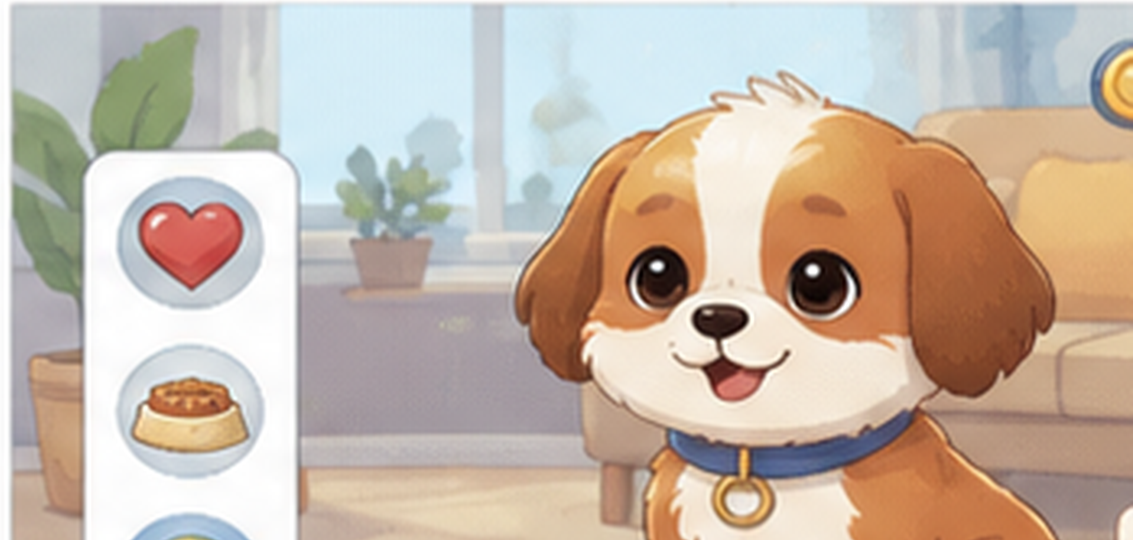
A good care game makes your actions visible. If you feed a pet, it reacts. If you decorate a room, the space changes. If you return after a while, the game acknowledges your care without making you feel guilty. Small feedback matters because the gameplay itself is often simple.
The best games also give the pet or character personality. A cat that sleeps in odd places, a creature that brings back strange gifts, or a virtual dog with different moods can feel more memorable than a beautifully drawn but lifeless model. Personality turns routine into a relationship, even a very light one.
Different care styles to consider
Some games focus on realistic pet care, with feeding, grooming, training, and play. Others are more decorative, letting you design rooms or outfits around the pet. Some are collection games, where the goal is to meet many creatures over time. A few mix care with story, giving you letters, quests, or character scenes as your bond grows.
Before choosing, think about which part you actually enjoy. If you like creativity, choose a game with strong decoration. If you like routine, choose one with simple daily care. If you like surprises, look for collection and discovery. If you like emotion, find a game that gives the pet expressive behavior or a small story world.
Watch out for pressure disguised as cuteness
Care games can become stressful when they use guilt too strongly. Notifications that suggest your pet is lonely, hungry, or sad can feel unpleasant, especially if the game is supposed to relax you. A little reminder is fine. Emotional pressure every few hours is not.
Also pay attention to monetization. Cute items, outfits, rooms, and accessories can be tempting. There is nothing wrong with optional purchases, but the game should still feel kind without them. If every nice object is locked behind paid currency, the charm may fade quickly.
Good signs in the first few sessions
- The care tasks are clear and not too frequent.
- The pet or creature has small reactions that make it feel alive.
- Decorations or upgrades are achievable without constant spending.
- Notifications can be turned off without ruining the game.
- You feel fond of the routine rather than trapped by it.
Pet and care games are also good for players who want something gentler than puzzle levels. There is no need to win every session. Sometimes you simply check in, collect a small reward, change a room, or watch a character do something silly. That low-stakes feeling is exactly the point.
Why these games stay installed
The games that last are usually the ones that become personal. Not necessarily deep, but personal enough that the player remembers their space, their pet, or their collection. You may open the app for only a few minutes, but it feels like visiting a tiny place that belongs to you.
If you want a cute casual pick, choose a care game that feels affectionate without being needy. The right one should make you smile when you open it, not worry about what you missed. A digital pet does not need to control your day to become part of it.
Good for small emotional routines
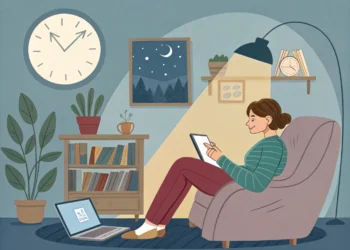
Pet and care games often work best when they become part of a small emotional routine. You may check in after work, before bed, or while taking a break from reading. The session is not about achievement. It is about the pleasant feeling of returning to something familiar. That is why tiny animations, soft reactions, and little surprises matter so much.
Still, the routine should belong to you. If a care game starts using guilt too aggressively, turn off notifications or move on. A virtual pet can be charming without needing to make you anxious. The healthiest care games offer warmth, not obligation, and affection without pressure.
If you are unsure where to start, choose the care game with the clearest screenshots rather than the most dramatic trailer. You want to see the actual room, pet menu, and daily tasks. A charming routine is easier to trust when the game shows you how it really plays.